Quality, Traceability & Compliance

Regenerative biorefining—engineered for scale

chatgpt quality by design 20260130

How we handle Quality

Renova BioRefinery Quality by design

Consistency is our competitive advantage. We use a tiered analytical approach—screening for speed, decision-grade testing for route selection, and progressively tighter controls as we move toward regulated grades.

The Renova Quality Principles

Expertise in chemical engineering and sustainability.
gemini generated image j06t4cj06t4cj06t

1. Batch/lot traceability: origin, processing route ID, and controlled handling records
2. Draft or formal Certificates of Analysis (CoA) aligned to customer requirements
3. Clear specifications and acceptance criteria for each grade
4. Change control and continuous improvement: documented adjustments and re-validation where appropriate

Typical analytical methods

We follow a stage-gated qualification workflow: align on target specifications and application requirements, validate performance through small-batch samples supported by CoA, de-risk scale-up via pilot/scale trials and application testing, then transition to commercial supply with continuous QC, lot-level traceability, and controlled change management.

  • UV-Vis, FTIR, and chromatographic methods (HPLC/LC-MS) as appropriate
  • Moisture, ash/minerals, elemental proxies, particle size distribution
  • Residual reagents/solvents and heavy metals panels (where required)
  • Microbial screening for intended grades
chatgpt analytical methods 20260130

chatgpt compliance 20260130

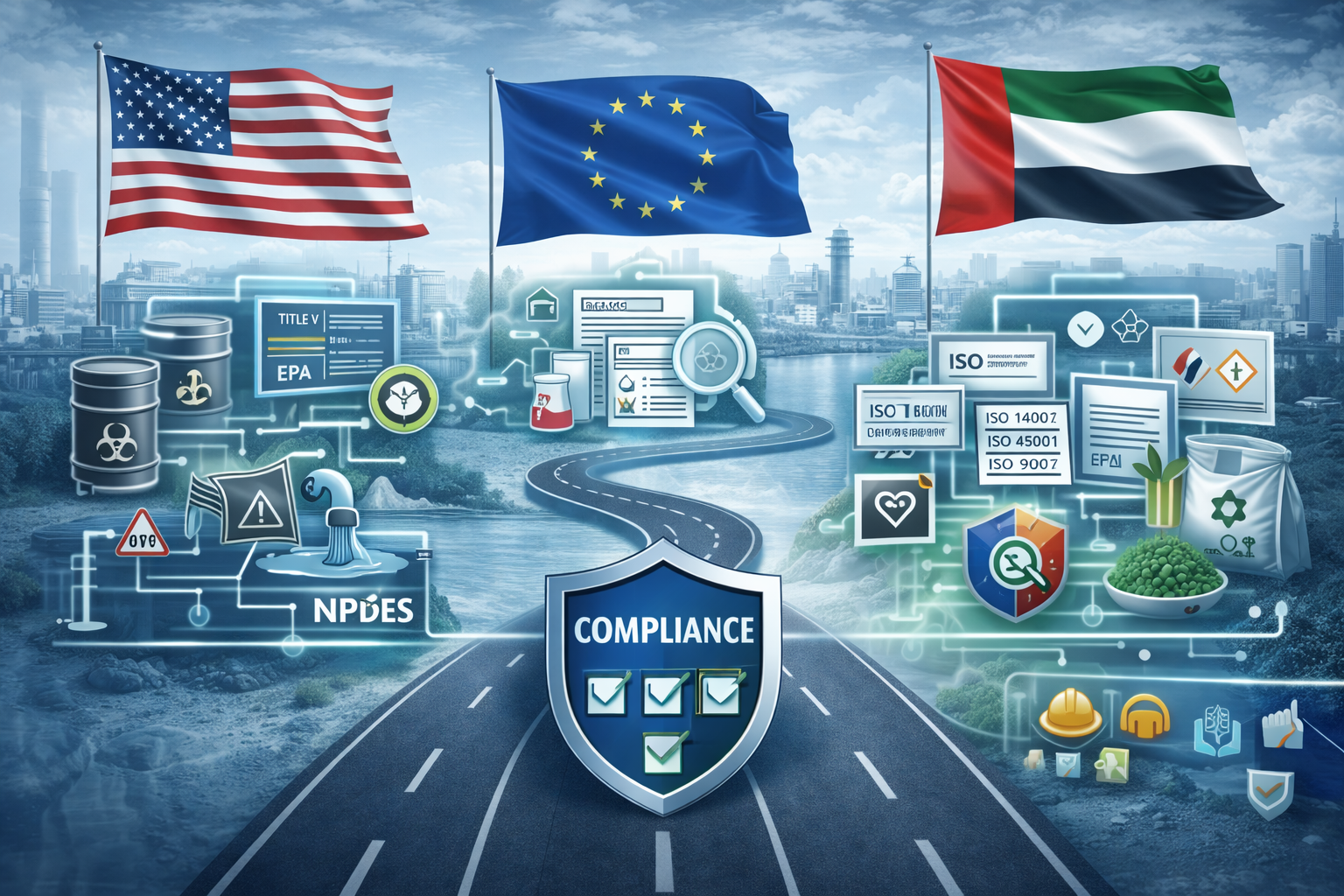
Compliance roadmap

Use cases span formulation, R&D, and sustainability: lot-traceable biopolymer and pigment fractions with defined quality metrics, well-characterized bioactive compounds for reproducible studies, and quantified waste-to-value performance with circularity reporting support.

  • United States (EPA + state programs, as applicable): hazardous waste management under RCRA; chemical reporting/notifications under TSCA (e.g., Chemical Data Reporting and new-chemical notices where relevant); air permitting under the Clean Air Act (e.g., Title V / New Source Review); and wastewater discharge controls under the Clean Water Act / NPDES.
  • United States (site-specific): SPCC / oil management where relevant; stormwater controls; and emergency planning/right-to-know reporting (EPCRA/TRI) based on thresholds.
  • Europe (EU/EEA, as applicable): REACH (Regulation (EC) No 1907/2006) for chemicals placed on the EU market; CLP (Regulation (EC) No 1272/2008) for classification, labelling and packaging aligned to the UN GHS; and site environmental permitting under the Industrial Emissions Directive (IED 2010/75/EU) using BAT/BREF guidance where relevant.
  • Europe (product-specific): for agricultural/bio-based fertilising products and soil improvers, align to the EU Fertilising Products Regulation (EU) 2019/1009 and associated quality, contaminant, and labelling expectations where the market requires it.
  • United Arab Emirates (UAE, as applicable): environmental and waste-management compliance aligned to Federal Law No. 12 of 2018 on Integrated Waste Management; site approvals and EHS requirements as set by the relevant Emirate and regulator (e.g., MOCCAE and local environment agencies).
  • UAE (product and trade readiness): GHS-aligned Safety Data Sheets and labelling (Arabic/English where required) and product conformity pathways under MoIAT technical regulations (including ECAS/EQM where applicable to product categories).
  • Management systems (roadmap): ISO-aligned quality, environment, and occupational safety frameworks (e.g., ISO 9001 / ISO 14001 / ISO 45001) and laboratory quality practices (e.g., ISO/IEC 17025) as required by customers and partners.

Data integrity and governance

We treat data as a product: machine-readable run logs, metadata standards, version control for SOPs, and secure sharing with partners and customers when appropriate.

  • Standardized metadata schema: consistent field definitions, units, and controlled vocabularies across batches/routes
  • Immutable run records: time-stamped digital batch logs with audit trails and change history
  • SOP and recipe versioning: Git-style control for SOPs, route IDs, and parameter sets with traceable revisions
  • Data validation & QA checks: automated range checks, completeness rules, and instrument-file linkage verification
  • Access control & secure sharing: role-based permissions, redaction of sensitive IP, and shareable “customer views” when appropriate
  • Provenance & lineage: clear links from feedstock → process conditions → yields/quality → raw instrument outputs
chatgpt data governance 20260130